









 (704) 312-2575


Most people reach for an ice pack out of habit. After all, an ice pack what was in the freezer growing up, what a coach tossed across the sideline, and what feels like a reasonable first step after any kind of joint discomfort. But for anyone facing a longer recovery after a procedure, the question of whether an ice pack is actually doing the job is worth asking.
Cold Therapy Machines is a small family business with over 20 years in healthcare, supplying cold therapy equipment as an authorized distributor for Breg and DonJoy. Every unit sold is brand new and fully warranted, and the team has spent years helping people understand the difference between what is convenient and what actually works.
In this article, the key differences between cold therapy machines and ice packs are laid out clearly, covering performance, practicality, and which option makes sense depending on the situation.
Key Takeaways:
- Machines Outperform Ice Packs For Extended Recovery: Cold therapy machines maintain consistent temperature throughout a session, while ice packs lose their effectiveness within minutes and require constant replacement.
- Ice Packs Still Have A Place: For minor, short-term use, an ice pack is a practical and low-cost option. For post-surgical or multi-week recovery, a machine is the more reliable choice.
- Quality And Source Matter: Cold Therapy Machines sells only new, warranted units from authorized distribution channels, giving buyers a clear advantage over refurbished or second-hand equipment.
Most people reach for an ice pack out of habit. After all, an ice pack what was in the freezer growing up, what a coach tossed across the sideline, and what feels like a reasonable first step after any kind of joint discomfort. But for anyone facing a longer recovery after a procedure, the question of whether an ice pack is actually doing the job is worth asking.
Cold Therapy Machines is a small family business with over 20 years in healthcare, supplying cold therapy equipment as an authorized distributor for Breg and DonJoy. Every unit sold is brand new and fully warranted, and the team has spent years helping people understand the difference between what is convenient and what actually works.
In this article, the key differences between cold therapy machines and ice packs are laid out clearly, covering performance, practicality, and which option makes sense depending on the situation.
How Each Option Delivers Cold
Understanding how these two methods work makes it easier to see where the differences matter most in a real recovery setting.
The Way Ice Packs Work
An ice pack delivers cold through direct contact with the skin or a thin barrier. As soon as it is applied, it begins warming up. Most standard ice packs reach an ineffective temperature within 15 to 20 minutes, at which point they need to be replaced, refrozen, or swapped out. Gel packs and reusable options improve on this slightly, but the fundamental limitation remains: the cold does not last long and requires active management to maintain.
The Way Cold Therapy Machines Work
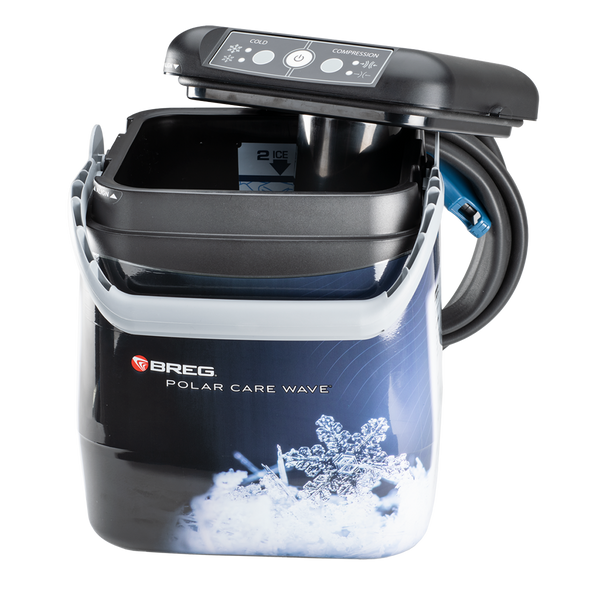
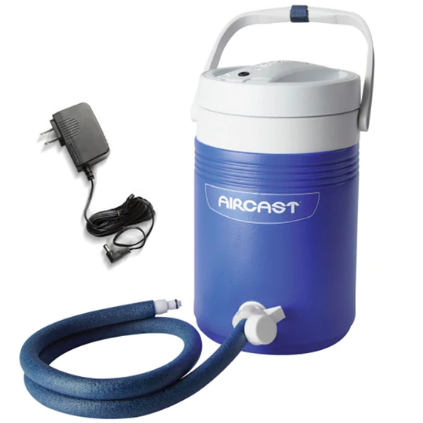
Cold therapy machines circulate chilled water from a reservoir through tubing and into a fitted wrap placed over the target joint. The water stays cold as long as the reservoir holds ice, which typically lasts significantly longer than any single ice pack session. The temperature remains consistent throughout, and the user does not need to actively manage it once it is set up.
This consistency is the core functional advantage. A session with a cold therapy machine delivers the same level of cold at the start as it does 20 or 30 minutes later, which is not something an ice pack can replicate. Browsing the cold therapy machines collection gives a clear picture of what is available for different recovery needs and budgets.

Practical Differences In Day-To-Day Use
Performance on paper is one thing. How each option holds up over weeks of daily use is another.
The Inconvenience Factor Of Ice Packs
Ice packs require a freezer, refreezing time between sessions, and constant monitoring during use. For someone in the early weeks of recovery, when getting up is difficult and energy is limited, these interruptions are more disruptive than they might seem. A pack that has warmed up mid-session is not providing useful therapy, and the temperature drop happens faster than most people expect.
The ice cube alternatives available at Cold Therapy Machines address some of these limitations. Reusable ice bag packs and re-usable ice cubes offer more practical options for people who prefer a simpler cold application method without committing to a full machine. These are worth considering for lighter use or as a complement to a machine during recovery.
Consistency And Coverage With A Machine
Cold therapy machines deliver consistent coverage because the wrap is designed to fit the specific joint being treated. The cold is distributed evenly across the wrap rather than concentrated in one spot, which is common with a flat ice pack applied to a curved joint.
For anyone using cold therapy after activity or during an active recovery period, a machine removes the need to think about it. Fill the reservoir, attach the wrap, and turn it on. That simplicity makes it easier to stay consistent with a routine when fatigue and limited mobility are already factors.

When An Ice Pack Is Still A Reasonable Option
Ice packs are not without value. The question is whether the situation calls for them.
Short-Term And Minor Use Cases
For a mild strain, a bruise, or brief acute discomfort, an ice pack is a practical and cost-effective tool. The session does not need to last long, the frequency of use is low, and the inconvenience factor does not accumulate the same way it does during an extended recovery period. In these situations, a gel pack or a bag of crushed ice works adequately.
Why The Calculation Changes For Longer Recovery
Once recovery extends beyond a week or two, the limitations of ice packs become more relevant. The time spent managing them, the inconsistency of the cold they deliver, and the lack of a proper wrap fit all work against the goal of maintaining a consistent routine. At that point, a cold therapy machine is the more practical investment.
Choosing The Right Equipment For The Situation
Not every cold therapy machine is the same, and the right choice depends on the type of recovery and how the machine will be used.
- Standard Units For Home Recovery: For most people recovering at home, a straightforward cold therapy unit handles the job well without requiring a significant investment. These units are gravity-fed, simple to set up, and designed for daily home use. They work consistently, require minimal maintenance, and are available at competitive prices through Cold Therapy Machines.
- Higher-Capability Options: For more intensive recovery situations or where a care team has recommended a more advanced approach, motorized units and compression systems are available. These offer more consistent temperature delivery and, in some cases, combine cold with intermittent compression. Our full range of all cold therapy machines covers both categories.

Final Thoughts
For short-term or minor use, an ice pack is a reasonable tool. For anyone managing a longer recovery after a knee, shoulder, or hip procedure, a cold therapy machine delivers more consistent results with significantly less daily effort.
The gap in performance between the two options becomes more apparent over time. Consistent temperature, proper wrap coverage, and a setup that does not require constant attention all add up across weeks of daily use. At Cold Therapy Machines, we carry new, warranted units across a range of price points, making it practical to find the right option without paying for more than the recovery actually requires.
Frequently Asked Questions About Cold Therapy Machines And Ice Packs
Is a cold therapy machine really better than an ice pack?
For short-term minor use, an ice pack is adequate. However, for extended recovery after a procedure, a cold therapy machine delivers more consistent temperature and requires less active management, making it the more practical choice.
Can an ice pack be used alongside a cold therapy machine?
Yes. Some people use ice packs for quick, short applications between machine sessions. Reusable ice bag packs and ice cube alternatives are available for those who want a practical complement to a machine without relying on single-use options.
Do cold therapy machines require a prescription?
Many units are available for direct purchase without a prescription. If insurance reimbursement is being sought, a provider may require documentation from a care team. Cold Therapy Machines can provide itemized receipts to support any claim submitted.
Are cold therapy machines difficult to set up at home?
Most home-use units are designed to be straightforward. Fill the reservoir with ice and water, connect the tubing to the wrap, and turn the unit on.
What makes cold therapy machines more consistent than ice packs?
Machines circulate chilled water continuously through the wrap, maintaining a stable temperature throughout the session. Ice packs begin warming immediately upon application and cannot maintain that temperature without being replaced.
Can the same cold therapy machine be used for different joints?
Yes. Most machines are compatible with wraps designed for different body parts. A single unit can be used for the knee, shoulder, hip, or ankle with the appropriate wrap, making it a flexible long-term investment.

